

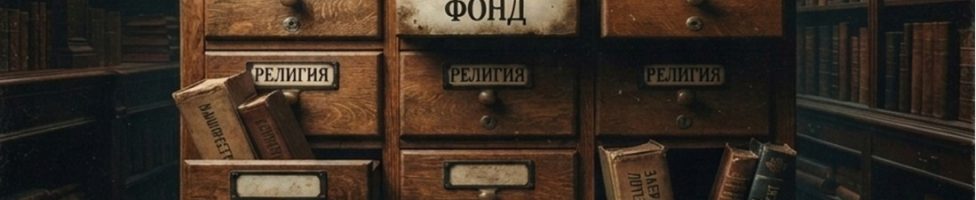
The political changes in Bulgaria following September 1944 triggered a long-lasting process of confiscation and destruction of books that were deemed ideologically unsuitable by the authorities; this was carried out by various state agencies until the beginning of 1990. Certain libraries were excluded from the confiscations: the “Sts Cyril and Methodius” National Library, some regional libraries, the libraries of the Bulgarian Academy of Sciences and research institutes, university libraries, and certain departmental libraries. A ‘special collection’ was formed in these libraries, inaccessible to most readers, thus the national literary heritage remained preserved.
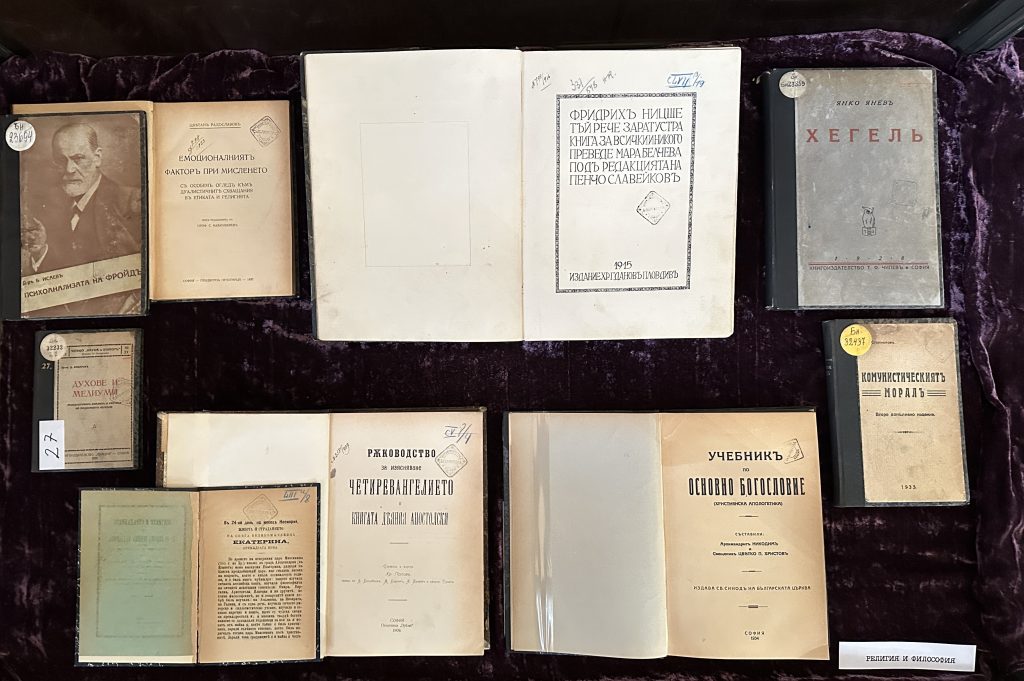
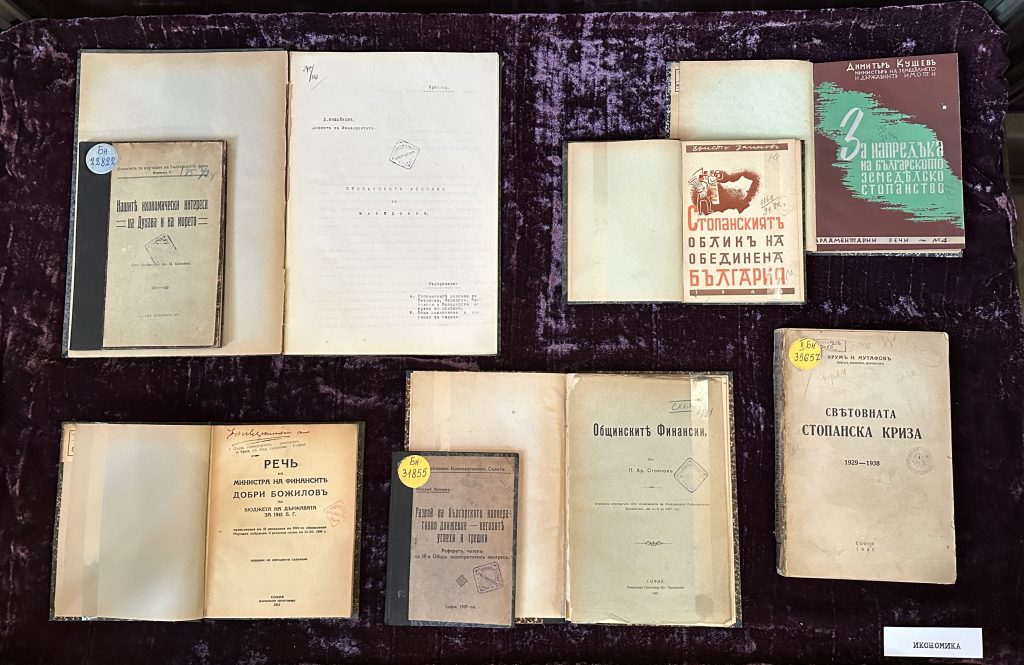
The organisation of this collection at the University Library corresponds to its academic purpose. Despite the regulations, the restricted books remained in the University Library’s general collection; most of them were marked with a coloured reference label, whilst their catalogue cards were removed from the readers’ and staff catalogues and organised in a registry.
A comparative analysis of the registry with the official lists of banned titles shows that some of them were not labelled as such and were freely available. According to long-serving library staff at the University Library, publications from the secret collection never ceased to be used by faculty members. However, access was not granted to everyone. There are also reports of instances where books from this collection were not made available to readers who requested them for reasons unrelated to academic research.
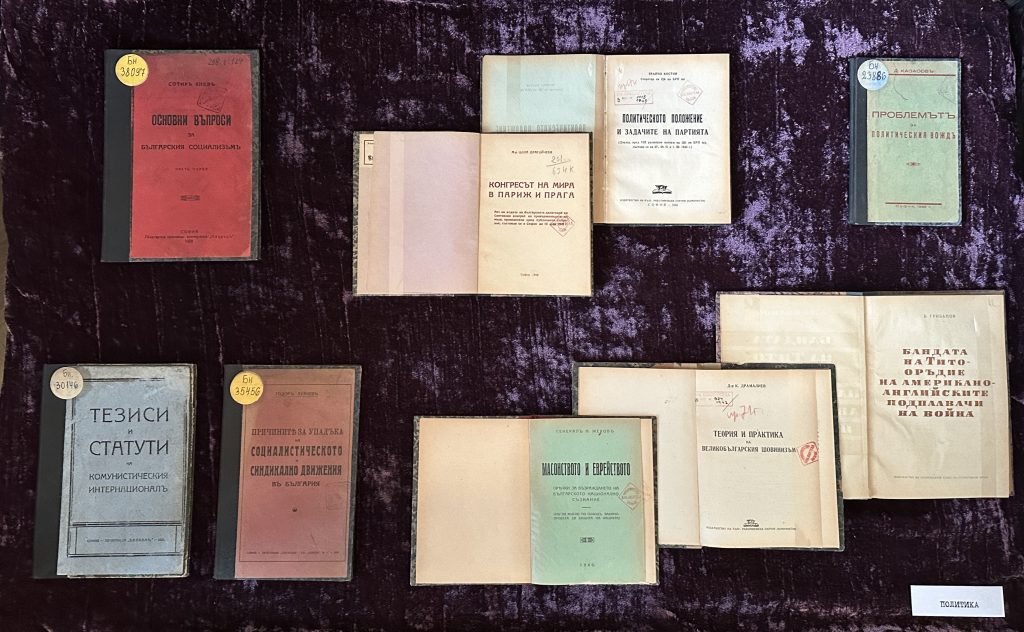
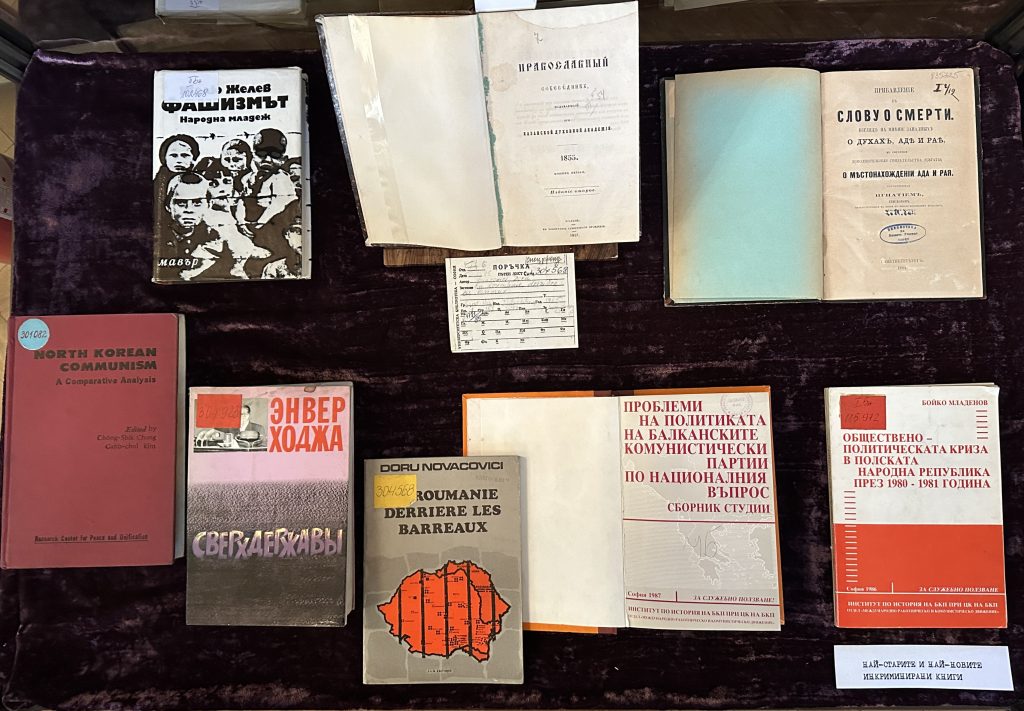
The exhibition displays books from the reconstructed secret fund, organised as an online collection consisting of 1,413 titles. The books are arranged thematically in twelve display cases – philosophy, religion, politics, economics, law, military affairs, fiction, foreign-language academic publications and history – with the oldest and most recent banned editions on display.
The virtual collection of books banned during the socialist era at the University Library is an example of an invisible heritage, which testifies not only to the cultural repression and associated censorship of that period, but also to the role of Sofia University ‘St. Kliment Ohridski’ as a guardian of scholarly knowledge.
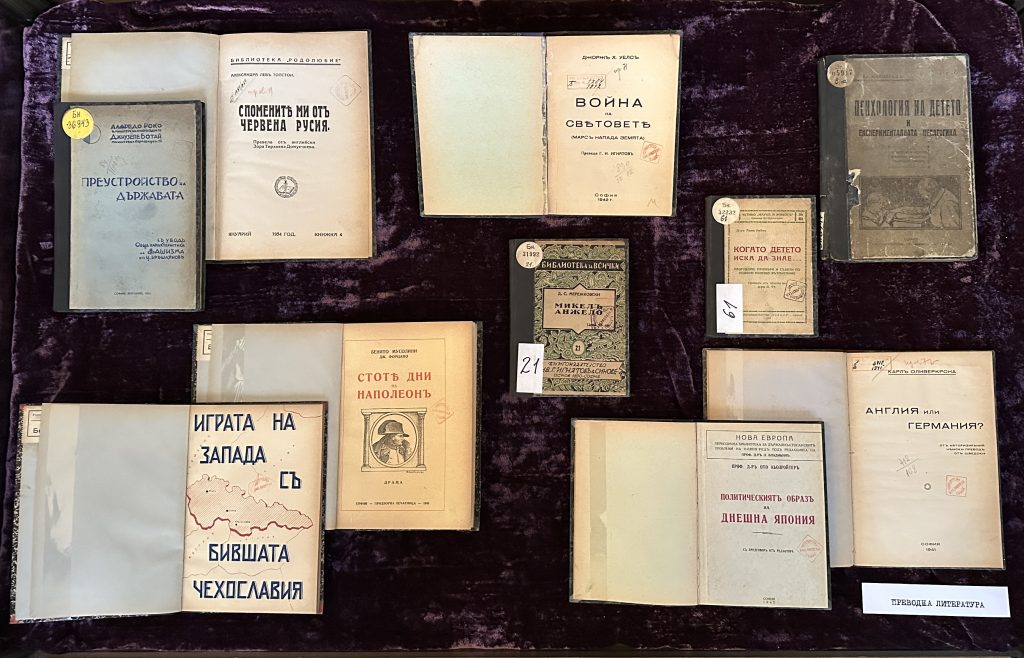
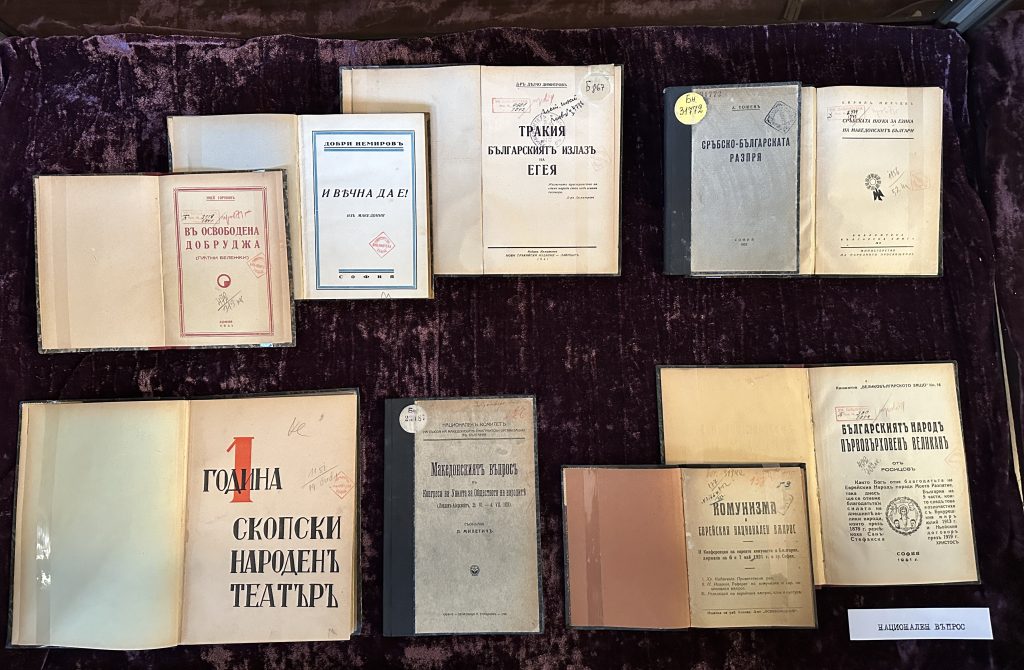
The exhibition, located in the foyer of the Central University Library, can be visited until the end of January 2027.